
What Are Sacrificial Anodes and How Do They Work?
Sacrificial anodes are a key part of corrosion protection for vessels and marine structures. They are widely used on commercial vessels, fishing fleets and marine infrastructure to protect metal components exposed to seawater.
Without effective protection, seawater can cause rapid corrosion of steel and other metals. Sacrificial anodes work by preventing this corrosion and helping extend the service life of important components such as hulls, rudders, propeller shafts and sea chests.
Understanding how anodes work, where they are used and when they should be replaced is essential for maintaining effective corrosion protection.
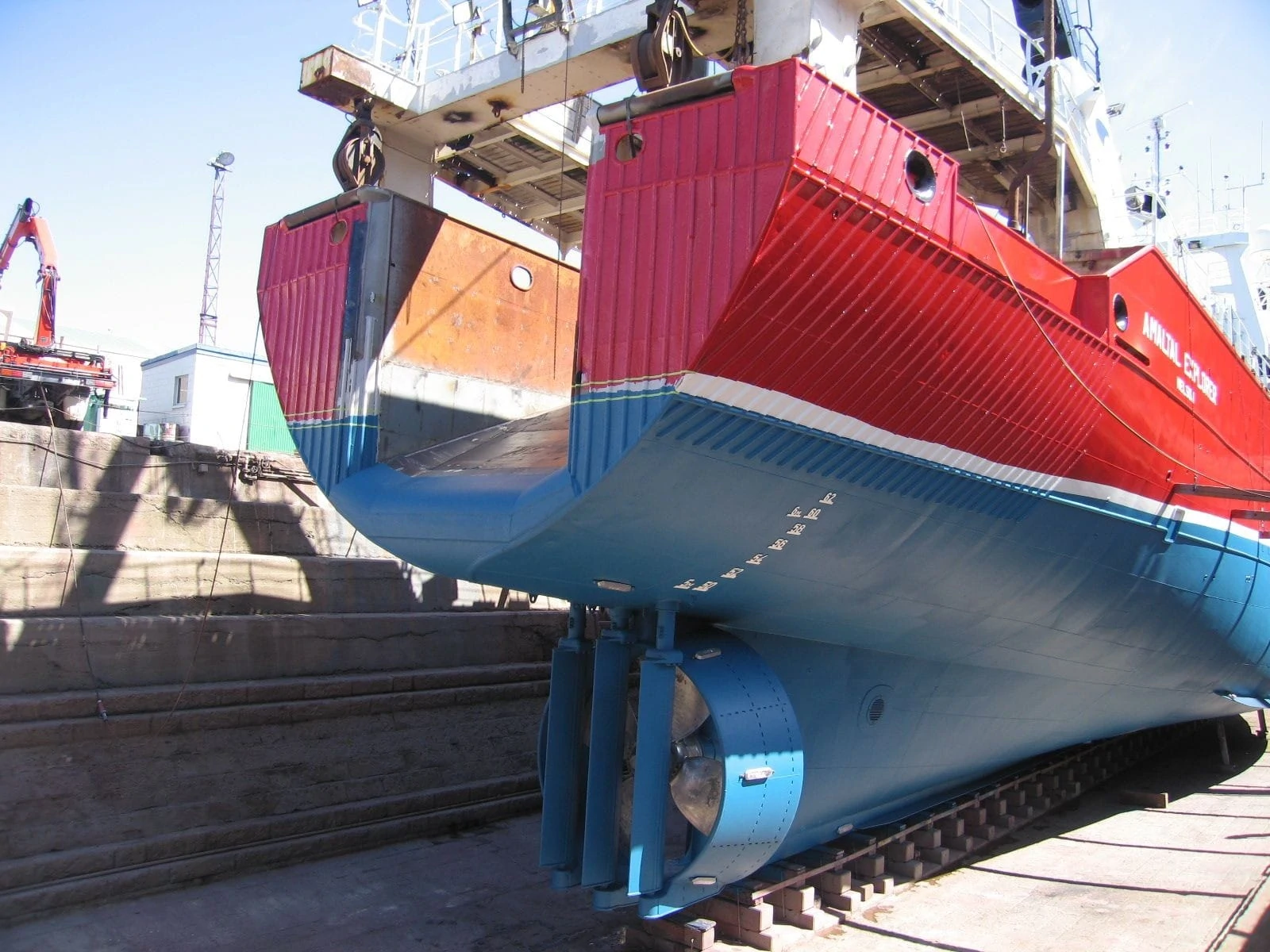
Why Corrosion Happens in Seawater
Corrosion occurs when metals react electrochemically with their environment. In seawater, this process is accelerated because saltwater is a highly conductive electrolyte.
When two different metals are electrically connected in seawater, the more reactive metal will corrode first. Sacrificial anodes deliberately take advantage of this process by introducing a metal that is more electrically active than the metal being protected.
Instead of the vessel’s structure corroding, the anode gradually corrodes instead — effectively “sacrificing” itself to protect the surrounding metal. This method of corrosion protection is known as cathodic protection.
Where Sacrificial Anodes Are Used
On commercial vessels, sacrificial anodes are commonly installed on or near components that remain underwater and are exposed to seawater. Typical applications include:• Vessel hulls• Rudders and trim tabs• Propeller shafts and stern gear• Sea chests and seawater intakes• Ballast tanks• Marine structures and infrastructure
They are also used in other marine environments such as mooring chains, sheet piling and fishing equipment where corrosion protection is required. Correct placement and sizing of anodes is important to ensure that all areas requiring protection receive adequate electrical coverage.
Types of Sacrificial Anodes
Different anode materials are used depending on the environment and the structure being protected.
Zinc AnodesZinc anodes have been widely used for many years in marine environments and are commonly found on vessel hulls and underwater fittings. They provide reliable protection in seawater and remain a common choice for many applications.
Aluminium AnodesAluminium anodes are increasingly used in modern cathodic protection systems due to their higher current capacity and lighter weight.They are widely used for vessel hull protection and marine structures where efficient and long-lasting protection is required.
Magnesium AnodesMagnesium anodes are typically used in freshwater environments, where they provide the higher driving voltage needed for effective protection. They are not used in seawater applications because they can be too active in that environment. MPS can provide magnesium anodes on request.
Designing an Effective Anode System
For sacrificial anodes to work effectively, the system must be properly designed. This includes selecting the correct anode material, size and location. Anodes must be positioned so that protective current can reach all areas of the structure requiring protection. If anodes are incorrectly placed or undersized, some areas may not receive adequate protection.
System design also takes into account expected service life and maintenance schedules, with anodes sized to last for defined service intervals before replacement is required.
When Should Sacrificial Anodes Be Replaced?
Sacrificial anodes are designed to gradually corrode during normal operation. Because of this, they must be inspected periodically and replaced when they become too depleted.
As a general guide, anodes should be replaced when around 50% of the original material has been consumed. Waiting until anodes are almost completely gone can leave parts of the vessel vulnerable to corrosion.
Signs that anodes may need replacing include:• Significant loss of material• Uneven or irregular consumption• Anodes that appear inactive or coated• Corrosion appearing on nearby metal components because anodes have been fully consumed.
Regular inspection during vessel maintenance or dry docking helps ensure the cathodic protection system continues to perform as intended.
Supporting Effective Corrosion Protection
Sacrificial anodes are one of the most reliable and widely used methods of corrosion protection in the marine industry. When properly selected, placed and maintained, they provide effective protection for vessels and marine structures operating in demanding seawater environments.
Please get in touch if you need any advice on anode selection and replacements.
.jpeg)