Troubleshooting Marine Corrosion Issues
Corrosion is an unavoidable challenge in the marine environment. Saltwater, oxygen and electrical currents create conditions where metal structures can deteriorate quickly if they are not properly protected.
Most vessels rely on cathodic protection systems, including sacrificial anodes, to prevent corrosion. When these systems are working correctly they provide reliable protection. However, if something in the system is not performing as intended, corrosion can develop surprisingly quickly.
Understanding the common causes of corrosion problems can help vessel operators identify issues early and ensure protection systems continue to perform effectively.
Signs That Corrosion Protection May Not Be Working
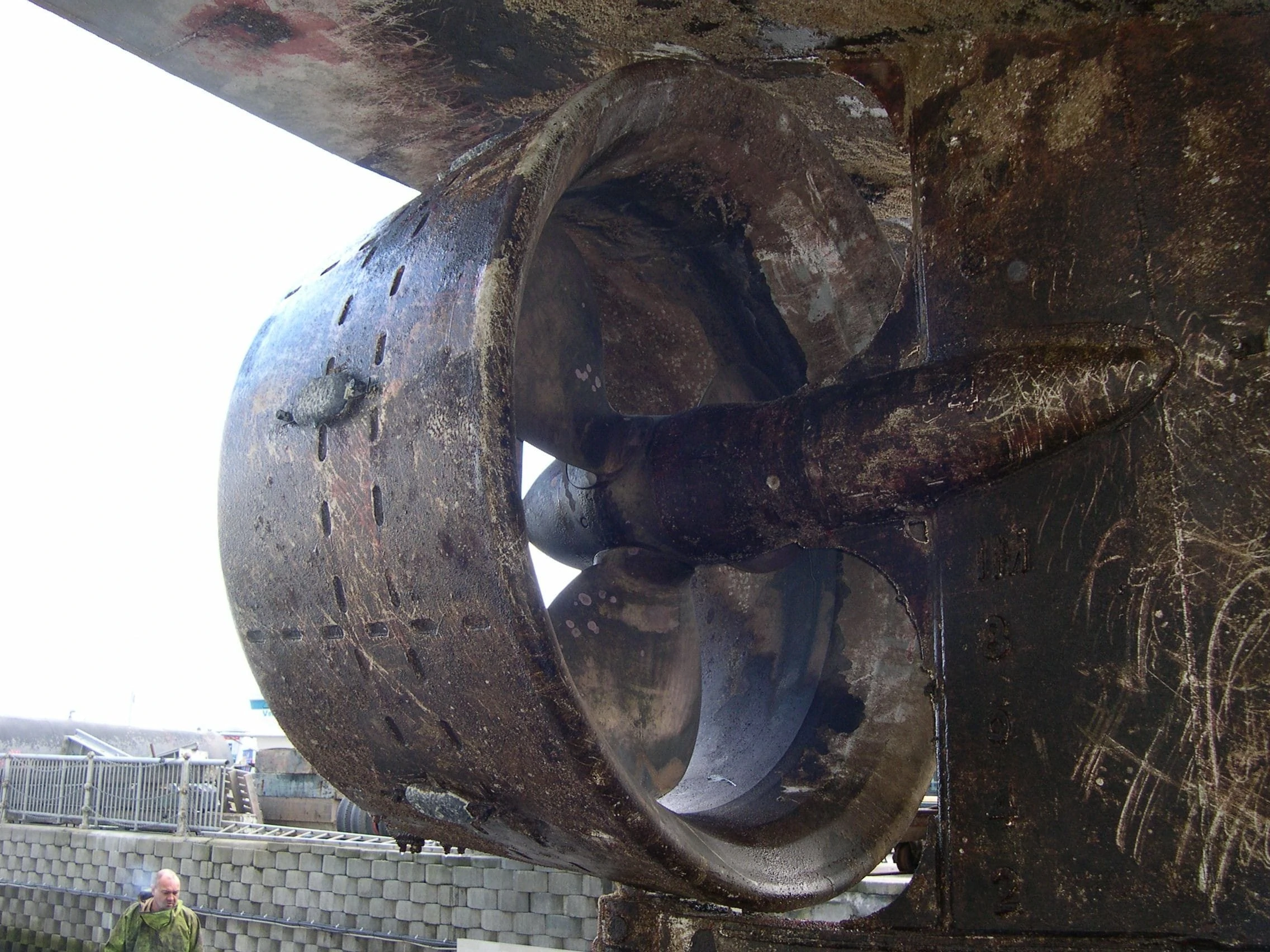
Early detection is important. Some common signs that corrosion protection may not be performing properly include:• Rapid or uneven corrosion on the hull or underwater fittings• Sacrificial anodes that are not being consumed• Anodes that are disappearing very quickly• Corrosion appearing close to propellers, rudders or sea chests• Pitting or localised corrosion on steel surfaces
If any of these issues are observed, it may indicate that the cathodic protection system needs inspection or adjustment.
Anodes Not Being Consumed
One of the most common issues seen in the field is anodes that appear almost untouched after long periods in the water. This can happen when the anode is not electrically connected properly to the structure it is supposed to protect. Paint, corrosion products or poor installation can interrupt the electrical path required for the system to work.
In some cases, anodes may also become coated with marine growth or deposits that reduce their effectiveness. When anodes are not being consumed, the structure they are meant to protect may instead begin to corrode.
Anodes Being Consumed Too Quickly
At the other extreme, anodes may disappear faster than expected. This can be caused by several factors, including:• Stray electrical currents in the water• Poor bonding between metal components• Incorrect anode material selection• Anodes that are undersized for the vessel• The paint system on the vessel is beginning to deteriorate
Rapid consumption may indicate that the system is working harder than expected to provide protection, or that external electrical influences are accelerating corrosion activity.
Electrical Interference and Stray Currents
In busy ports, marinas or industrial areas, stray electrical currents can sometimes contribute to accelerated corrosion.
These currents may originate from nearby vessels, shore power systems or electrical equipment. Earth faults from the ships own electrical equipment can also cause electrical interference. Stray current corrosion can cause rapid localised damage and may also lead to unusually fast anode consumption.
Identifying and resolving these issues may require testing and inspection of the vessel’s electrical and cathodic protection systems.
The Importance of Inspection and Testing
Regular inspection of sacrificial anodes and underwater fittings is one of the most effective ways to prevent corrosion problems.
During routine maintenance or dry docking, operators should check:• The condition and remaining mass of anodes• Signs of uneven corrosion• Electrical continuity between anodes and the structure• Areas where corrosion may be starting to develop
In some cases, vessel corrosion testing can provide a more detailed assessment of how well the protection system is performing and whether adjustments are required.
Getting the System Right
Cathodic protection systems are highly effective when they are properly designed, installed and maintained. Ensuring the correct anode material, size and placement — and monitoring the system over time — helps prevent corrosion problems before they become serious.
Marine Protection Systems works with vessel operators and engineers to assist with anode selection, system design, inspection and troubleshooting to ensure corrosion protection systems perform as intended. If corrosion issues are suspected, early investigation can help identify the cause, preventing further damage and costly repairs.
.jpeg)