Where Marine Growth Causes Problems
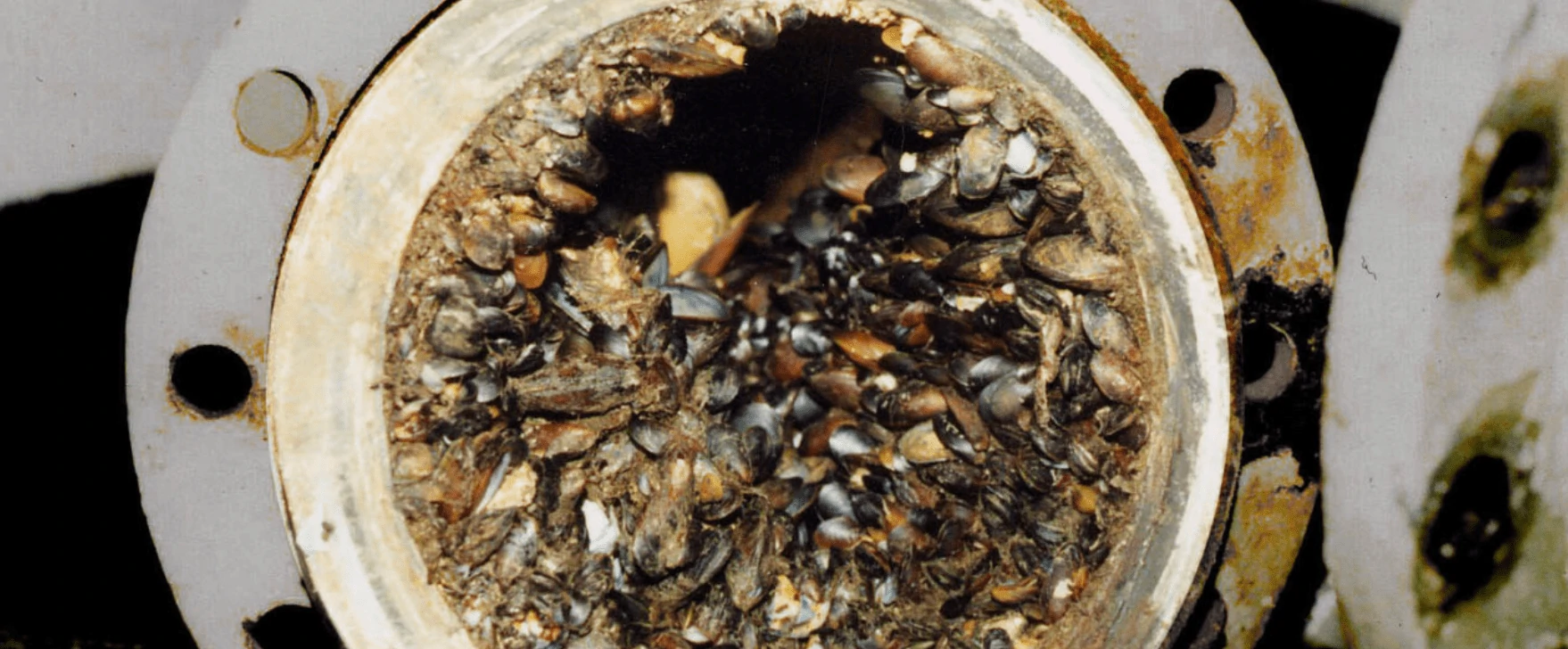
Many vessels rely on seawater for cooling engines, generators and other onboard equipment. Seawater is typically drawn into the vessel through sea chests and intake systems before circulating through strainers, pipework and heat exchangers.
These areas provide an ideal environment for marine organisms to settle and grow. Over time, this fouling can:• Restrict seawater flow• Reduce cooling efficiency• Increase maintenance requirements• Lead to overheating or equipment problems
In high fouling environments, growth can develop surprisingly quickly if preventative measures are not in place.
How ICAF Systems Work
ICAF systems use a low voltage electrical current applied to specialised anodes installed inside the vessel’s sea chest or seawater intake.
These systems typically use copper and aluminium anodes, which work together to create conditions that discourage marine growth:• Copper anodes release small amounts of copper ions into the seawater. These ions help prevent marine organisms such as barnacle larvae and mussels from attaching to internal surfaces.• Aluminium anodes release aluminium compounds that help distribute the copper ions through the seawater flow and form a protective film on internal pipe surfaces.
As treated seawater circulates through the vessel’s cooling system, it creates an environment that prevents marine organisms from settling and growing inside the pipework.
Benefits of ICAF Systems
ICAF systems provide a number of operational benefits for vessels that rely on seawater cooling systems. These include:• Reduced marine growth inside sea chests and pipework• Improved cooling system efficiency• Lower maintenance requirements• Reduced risk of blockages and overheating• More consistent system performance over time
For vessels operating in high fouling environments, these systems can significantly reduce the need for manual cleaning and inspection.
Where ICAF Systems Are Used
- ICAF systems are commonly installed on vessels and offshore structures that rely on seawater for cooling or auxiliary systems. They are particularly beneficial in high fouling environments where marine growth can develop quickly and affect system performance. Typical applications include:
- Commercial vessels and shipping fleets
- Fishing vessels and workboats
- Offshore vessels and platforms
These systems are installed within the vessel's seawater intake, protecting the full circuit of internal components including sea chests, strainers, box coolers, heat exchangers and associated pipework.
Installation and Support
ICAF systems need to be correctly specified and installed to perform effectively. The right system will depend on the vessel's seawater intake configuration, operating environment and maintenance schedule. Marine Protection Systems can assist vessel operators and engineers with identifying the correct system for their vessel, sourcing components, and providing ongoing supply of replacement anodes to support scheduled maintenance.
Maintenance and Replacement Anodes
The copper and aluminium anodes used in ICAF systems gradually dissolve during normal operation and must be replaced periodically to maintain system performance. Regular inspection during scheduled maintenance or dry docking helps ensure the system continues to operate effectively. Replacement intervals will vary depending on vessel operating conditions and system usage.
How can MPS HElp?
ICAF systems are an effective way to control marine growth inside seawater cooling systems and help vessels maintain reliable operation.
Marine Protection Systems supplies ICAF systems and replacement copper and aluminium anodes used in these systems. Our team can also assist vessel operators with identifying the correct replacement anodes and maintaining effective anti-fouling protection.
If you would like advice on ICAF systems or replacement components, contact us to discuss your requirements.
Marine Protection Systems supplies ICAF systems and replacement copper and aluminium anodes used in these systems. Our team can also assist vessel operators with identifying the correct replacement anodes and maintaining effective anti-fouling protection.
If you would like advice on ICAF systems or replacement components, contact us to discuss your requirements.
.jpeg)